
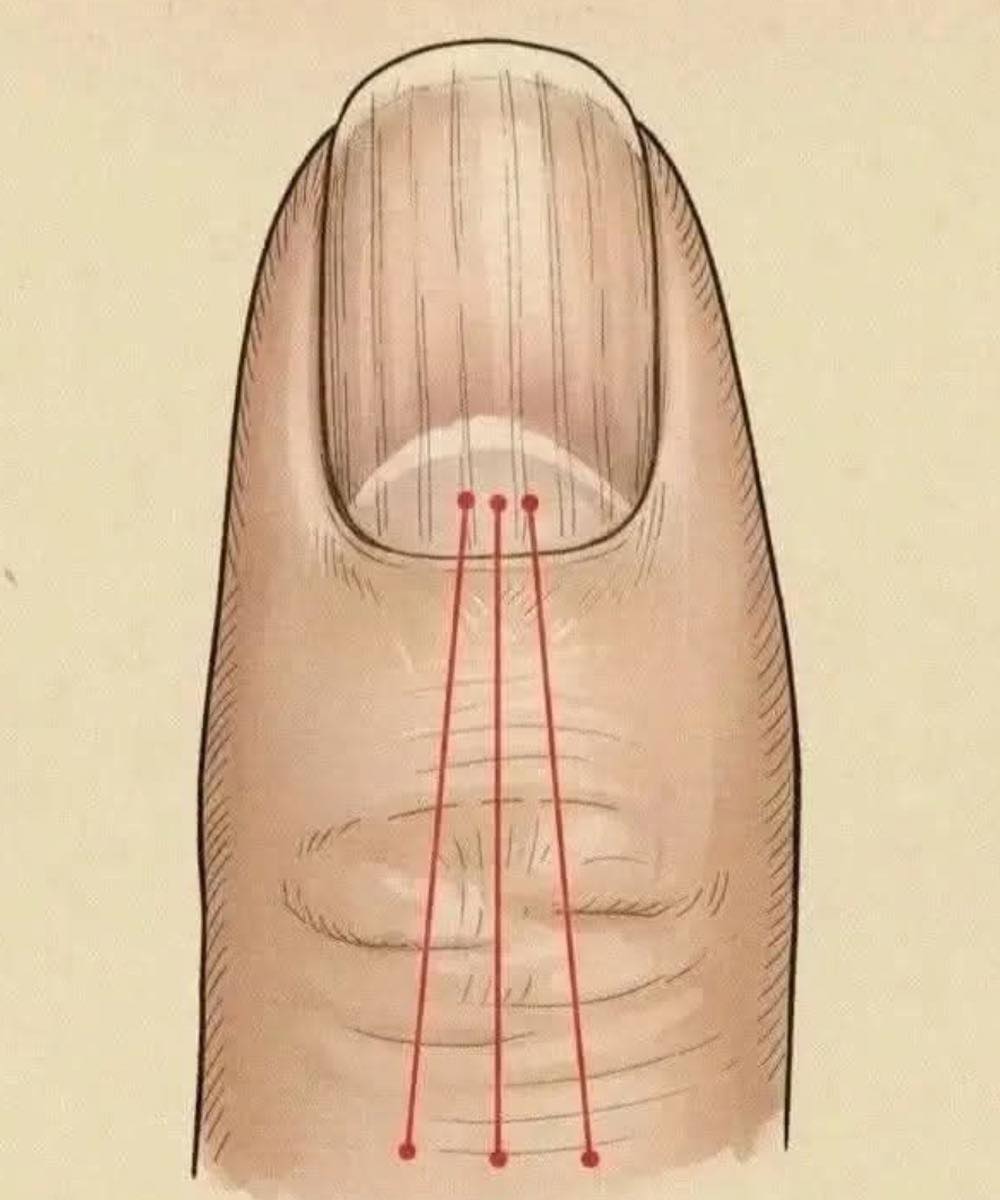
Nail ridges are more than a cosmetic detail—they can offer small but meaningful clues about what’s happening inside the body. While many cases are harmless, the type, direction, and associated changes in your nails can help you understand whether it’s simply aging or something worth checking more closely.
Vertical Lines (Longitudinal Ridges)
Vertical ridges run from the cuticle down to the tip of the nail. These are the most common and, in many cases, the least concerning.
As we age, the body slows down cell turnover—including nail cells. That’s why mild vertical ridging is especially common in older adults and usually doesn’t signal disease.
However, context matters. If vertical lines appear alongside other changes—like brittleness, discoloration, or rough texture—they may be linked to conditions such as Trachyonychia or even nutritional deficiencies. In some cases, they can be associated with Iron Deficiency Anemia, especially if the nails also become thin or spoon-shaped.
Horizontal Lines (Beau’s Lines)
Horizontal ridges—known medically as Beau’s lines—are more significant. Unlike vertical ridges, these grooves run across the nail and often indicate a temporary interruption in nail growth.
This interruption can happen when the body is under stress from illness or trauma. Beau’s lines have been linked to conditions such as Diabetes, Thyroid Disease, and Kidney Disease. They may also appear after severe infections, high fever, or treatments like chemotherapy.
If these lines show up on multiple nails at once, it’s often a sign that the body experienced a systemic stress event rather than a localized issue.
Other Warning Signs to Watch For
Not all nail changes are equal, and ridges sometimes appear alongside other symptoms that deserve attention:
- Dark streaks (brown, black, or red) under the nail
- Sudden thickening or splitting
- Noticeable changes in nail shape
- Pain or swelling around the nail
In rare cases, discoloration could point to serious conditions like Melanoma or infections affecting the heart such as Endocarditis, though these are far less common.
What You Can Do
If your nail ridges are mild and stable, simple care can make a noticeable difference:
- Keep nails moisturized (hand creams, cuticle oils)
- Maintain a balanced diet with adequate protein, zinc, and vitamins
- Avoid harsh chemicals or excessive nail buffing
- Stay hydrated
If the ridges are new, deep, worsening, or accompanied by other changes, it’s worth consulting a dermatologist or healthcare provider. Nails grow slowly, so they often reflect events that happened weeks or even months earlier.
A Balanced Perspective
Most nail ridges—especially vertical ones—are a normal part of aging and not a cause for concern. The key is to look at the full picture. Nails rarely act alone; they tend to mirror broader patterns in the body.
Pay attention, but don’t panic. In many cases, your nails are simply telling a quiet story about time, not trouble.
